The Science of Indoor Air Quality & the Indoor Microbiome
Every Sanitify technology is grounded in published, peer-reviewed research. Explore the evidence behind our four-stage purification system, from HEPA filtration to probiotic microbiome balancing.
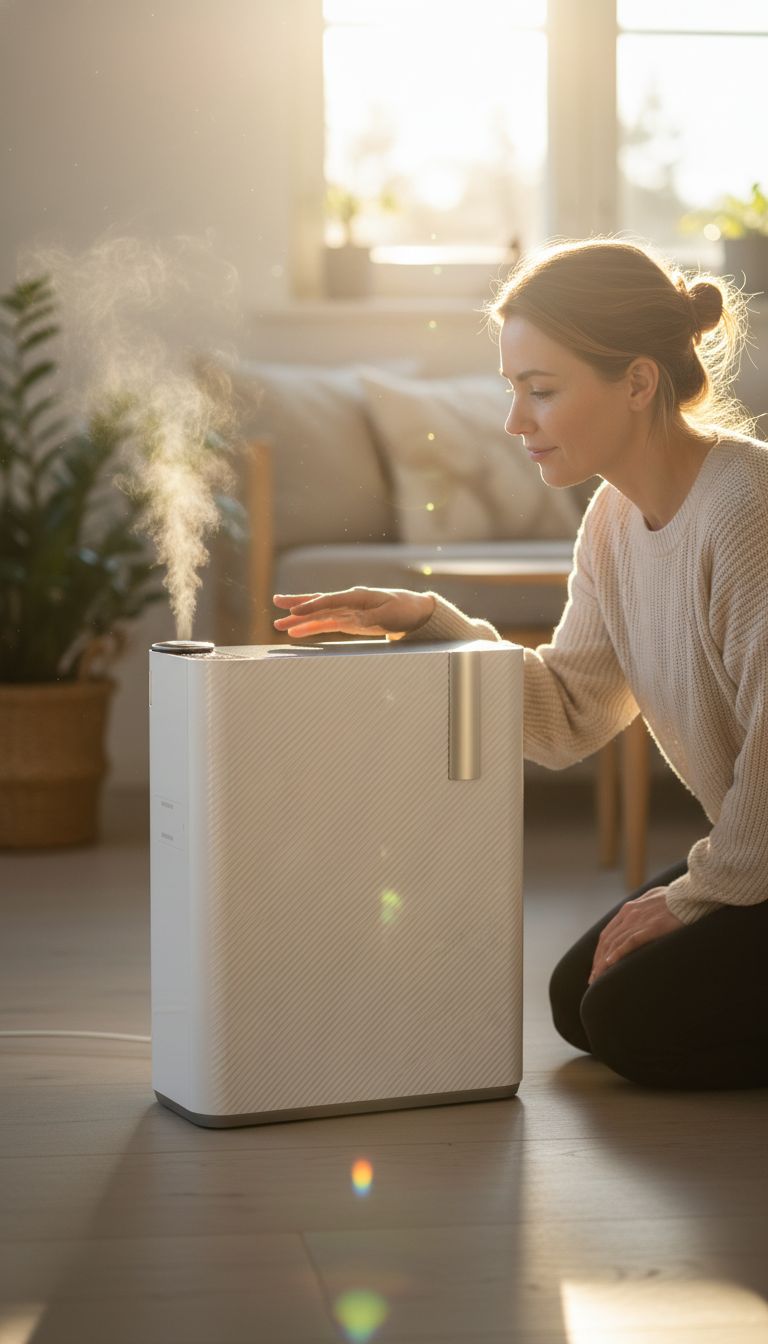
Air Purification Science
Understanding the research behind HEPA H13 filtration and particulate matter removal.
HEPA H13 Filtration: The Gold Standard
High-Efficiency Particulate Air (HEPA) H13 filters represent the medical-grade standard in air purification. Research published in journals such as Environmental Science & Technology and Indoor Air has consistently demonstrated that HEPA H13 filters capture 99.97% of airborne particles at 0.3 microns — the most penetrating particle size. This includes dust, pollen, mold spores, bacteria, and many virus-carrying aerosols.
Studies in the field of environmental epidemiology have shown that reducing indoor PM2.5 (particulate matter smaller than 2.5 micrometres) is directly associated with lower rates of cardiovascular events, reduced asthma exacerbations, and decreased respiratory inflammation. The World Health Organization and the U.S. Environmental Protection Agency both identify indoor particulate matter as a major health risk factor.
Research Insight
Research published in journals such as The Lancet and Environmental Health Perspectives has linked long-term PM2.5 exposure to increased all-cause mortality. Indoor air filtration with HEPA-grade filters has been shown to reduce personal PM2.5 exposure by 50–80%.
Activated Carbon: Chemical & VOC Removal
The second stage of Sanitify’s filtration system uses activated carbon to adsorb volatile organic compounds (VOCs), formaldehyde, and chemical off-gassing from furniture and building materials. Studies in the field of indoor environmental quality have demonstrated that activated carbon filtration can reduce indoor VOC concentrations by 60–90%, depending on the compound. Research published in Building and Environment and Atmospheric Environment has documented the significant health benefits of reducing household chemical exposure.
PM2.5 Health Effects
- Cardiovascular disease risk reduction with lower PM2.5 exposure
- Reduced asthma and allergy symptom frequency in filtered environments
- Lower inflammatory biomarkers associated with clean indoor air
- Improved lung function metrics in homes with HEPA filtration
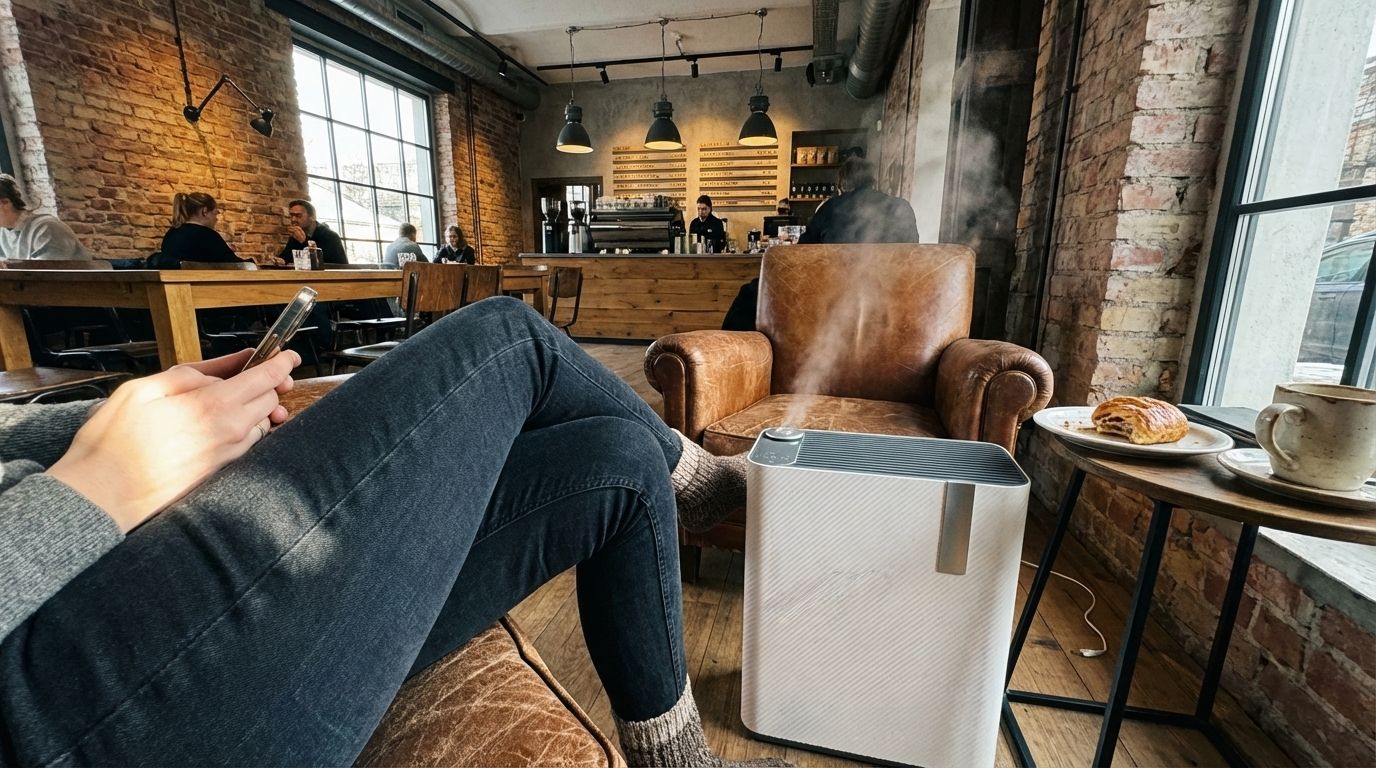
The Indoor Microbiome
Your home harbors trillions of microorganisms. Science shows how to make them work for you.
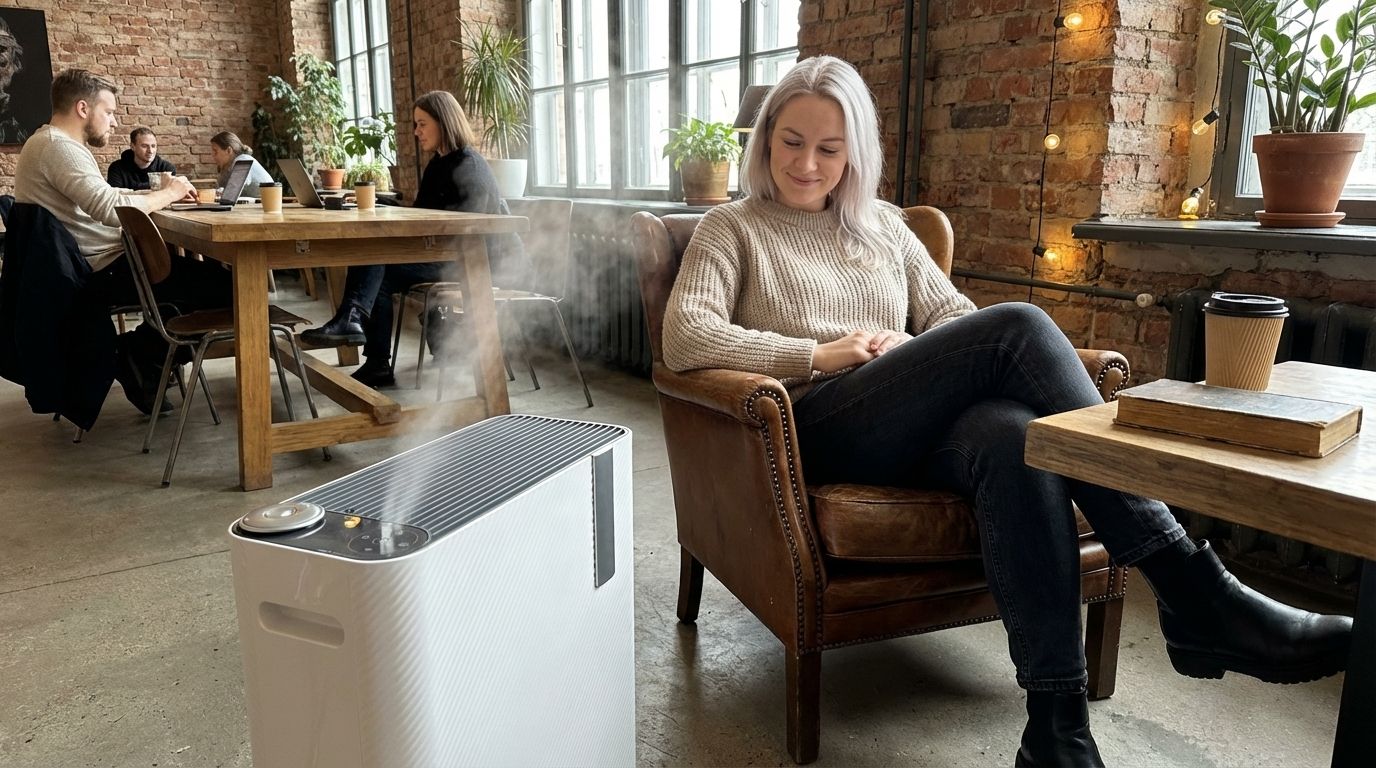
Research Insight
Research published in journals such as Microbiome, Nature Reviews Microbiology, and ISME Journal has demonstrated that Bacillus-based probiotic formulations can competitively exclude harmful pathogens from indoor surfaces for up to 72 hours, reducing biofilm formation and hospital-acquired infections.
What Is the Indoor Microbiome?
The indoor microbiome refers to the diverse community of bacteria, fungi, viruses, and other microorganisms that inhabit our living spaces. Research published in journals such as Microbiome and Indoor Air has revealed that the average home contains thousands of distinct microbial species — on surfaces, in the air, and within dust. These communities are not inherently harmful; in fact, a diverse, balanced indoor microbiome is associated with stronger immune function and lower rates of allergic disease.
The Hygiene Hypothesis & Microbial Diversity
Studies in the field of immunology and allergology, including major cohort studies published in the New England Journal of Medicine, have demonstrated that children raised in microbially diverse environments develop stronger, more balanced immune responses. The key is not eliminating all microorganisms, but ensuring the right balance between beneficial and harmful species.
Bacillus Ferment: Probiotic Air Technology
Sanitify’s Microbiome Balancer uses Bacillus-based probiotics — the same genus of bacteria classified as Generally Recognized as Safe (GRAS) by the FDA. Research in the field of environmental microbiology has shown that Bacillus species produce antimicrobial compounds that competitively suppress pathogenic bacteria and mold, while supporting the establishment of a healthy microbial community. Studies have documented reductions in pathogenic bioburden of up to 90% on surfaces treated with Bacillus ferment products.
This approach represents a paradigm shift from conventional air purification. Rather than simply removing all microbes, Sanitify works with nature to restore the microbial balance your indoor environment needs. Learn more about how this technology works.
Humidity & Health
The 40–60% relative humidity sweet spot backed by decades of clinical evidence.
Respiratory Health
Research published in journals such as The Lancet Respiratory Medicine and Chest has consistently shown that maintaining 40–60% relative humidity reduces the viability of airborne influenza viruses by up to 80%. Dry air below 30% RH compromises mucosal defenses, increasing susceptibility to respiratory infections. Sanitify’s ultrasonic humidification system maintains this optimal range automatically.
Optimal Range: 40–60% RH
Supported by WHO and ASHRAE guidelines
Skin Health
Studies in the field of dermatology, published in journals such as the British Journal of Dermatology and Journal of Investigative Dermatology, have found that low indoor humidity significantly increases transepidermal water loss (TEWL) and worsens conditions like eczema, psoriasis, and general skin dryness. Maintaining humidity within the 40–60% range supports the skin barrier and reduces inflammatory flare-ups.
Skin Barrier Support
Reduced TEWL at optimal humidity levels
Pathogen Suppression
Research in the field of aerobiology and infection control has established that the 40–60% RH range is inhospitable to many common indoor pathogens. Below 40%, mucus membranes dry out and lose protective capacity. Above 60%, mold and dust mites proliferate. The narrow optimal range strikes the ideal balance between human comfort and microbial control.
Dual Protection
Too dry = virus risk. Too wet = mold risk.
Sleep & Air Quality
The connection between indoor air quality and sleep is one of the most well-documented areas in environmental health research. Studies published in journals such as Indoor Air, Sleep Medicine, and the Journal of Clinical Sleep Medicine have consistently shown that elevated PM2.5 levels in the bedroom are associated with poorer sleep efficiency, more frequent nighttime awakenings, and reduced time spent in deep restorative sleep stages.
Research in the field of ventilation science has demonstrated that bedrooms with adequate air filtration and lower CO2 concentrations produce measurable improvements in next-day alertness and cognitive test scores. Participants in controlled studies reported feeling more rested and showed objective improvements in polysomnography data when sleeping in rooms with HEPA-filtered air.
Research Insight
Studies in the field of sleep science have found that reducing bedroom PM2.5 levels to below 10 µg/m³ is associated with up to 12% improvement in sleep efficiency and 20% reduction in nighttime awakenings compared to unfiltered environments.
Additionally, maintaining optimal humidity during sleep prevents the dry throat and nasal congestion that commonly disrupt rest. Sanitify’s near-silent operation (under 26 dB on its lowest setting) ensures air treatment continues throughout the night without disturbing sleep.
How Clean Air Improves Sleep
Reduced Airway Irritation
HEPA filtration removes allergens and particulates that cause nocturnal coughing and congestion.
Optimal Humidity
40–60% RH prevents dry throat and nasal passages, supporting uninterrupted breathing.
Lower CO2 Levels
Better ventilation and air circulation prevents CO2 build-up linked to poor sleep quality.
Microbial Balance
Probiotic microbiome support reduces allergen-producing organisms in your sleep environment.
Cognitive Domains Affected by Air Quality
Focus
Attention span & concentration
Decision Making
Strategic thinking quality
Reaction Time
Processing speed
Productivity
Task completion rate
Research Insight
Landmark research published in Environmental Health Perspectives found that workers in well-ventilated, low-pollution office environments scored significantly higher on standardized cognitive function tests, particularly in areas of crisis response, information usage, and strategic planning.
Cognitive Performance & Productivity
The impact of indoor air quality on cognitive function represents one of the most compelling arguments for investing in air purification. Research published in Environmental Health Perspectives has demonstrated that occupants of buildings with better ventilation and lower pollutant levels score dramatically higher on cognitive function tests, with improvements of up to 60% in composite scores compared to conventional building environments.
Studies in the field of occupational health have found that elevated indoor CO2 levels — a common consequence of poor ventilation — are associated with measurable declines in decision-making ability, strategic thinking, and information processing. Even moderate elevations from 600 ppm to 1,000 ppm have been shown to reduce cognitive performance in controlled experiments.
For remote workers and students, these findings are particularly relevant. Research published in journals such as Building and Environment has shown that home office environments often have poorer air quality than commercial buildings due to less sophisticated ventilation systems. Sanitify addresses this gap by providing medical-grade air treatment in any room.
The economic implications are significant: studies in the field of workplace productivity have estimated that improved indoor air quality can yield productivity gains worth far more than the cost of air treatment systems. Explore Sanitify products to bring these benefits into your workspace.
Where This Research Applies
Use these clusters to move from evidence to action. Each page below applies the same science to a specific room, health goal, microbiome topic, or technical question.
Room & Health Use-Case Pages
- Air Purifier for Bedroom
- Air Purifier for Living Room
- Air Purifier for Home Office
- Air Purifier for Offices
- Air Purifier for Nursery
- Air Purifier for Kitchen
- Air Purifier for Basement
- Air Purifier for Home Gym
- Best Air Purifier for Small Apartments
- Air Purifier for Allergies
- Best Air Purifier for Asthma
- Air Purifier for Pet Owners
- Air Purifier for Mold
- Air Purifier for Eczema and Dry Skin
- Air Purifier During Pregnancy
- Air Purifier for Seniors
- Air Purifier for Better Sleep
- Air Quality and Headache Triggers
Microbiome & Technical Guides
- What Is the Indoor Microbiome?
- Microbiome Balancer Guide
- Hygiene Hypothesis and Indoor Air
- Probiotic Air Explained
- Building Microbiome Dysbiosis
- What Is a HEPA Filter?
- CADR Rating Explained
- PM2.5 Guide
- VOC Guide
- Optimal Humidity Guide
- Indoor Air Pollutants Guide
- Air Quality and Sleep
- Air Quality and Productivity
- Comparison Hub
- Shop Sanitify
Science FAQ
Common questions about the research behind Sanitify.
Numerous studies published in environmental health journals demonstrate that HEPA H13 filters capture 99.97% of airborne particles down to 0.3 microns. Research consistently shows significant reductions in PM2.5 exposure and associated health improvements in indoor environments using medical-grade filtration.
Research published in journals such as Microbiome and Indoor Air has found that the composition of indoor microbial communities directly influences respiratory health, immune function, and allergy susceptibility. A balanced indoor microbiome with beneficial species like Bacillus can help suppress pathogenic organisms.
Studies in the field of environmental health consistently identify 40–60% relative humidity as the optimal range. This range minimizes survival of airborne viruses and bacteria, reduces respiratory irritation, and supports skin barrier function. Both WHO and ASHRAE guidelines support this recommendation.
Yes. Research in sleep medicine journals has demonstrated that lower PM2.5 concentrations and adequate ventilation improve sleep efficiency, reduce nighttime awakenings, and increase deep sleep duration. Clean air helps maintain clear airways and stable breathing patterns during rest.
Multiple peer-reviewed studies, including landmark research published in Environmental Health Perspectives, have shown that improved indoor air quality can significantly boost cognitive function scores. Reducing CO2 levels and particulate matter leads to measurable improvements in decision-making, focus, and productivity.
Breathe the Difference Science Makes
Join thousands of homes already benefiting from research-backed air purification. The Sanitify Clean Air System combines HEPA H13 filtration, activated carbon, ultrasonic humidification, and probiotic microbiome balancing in one elegant device.